
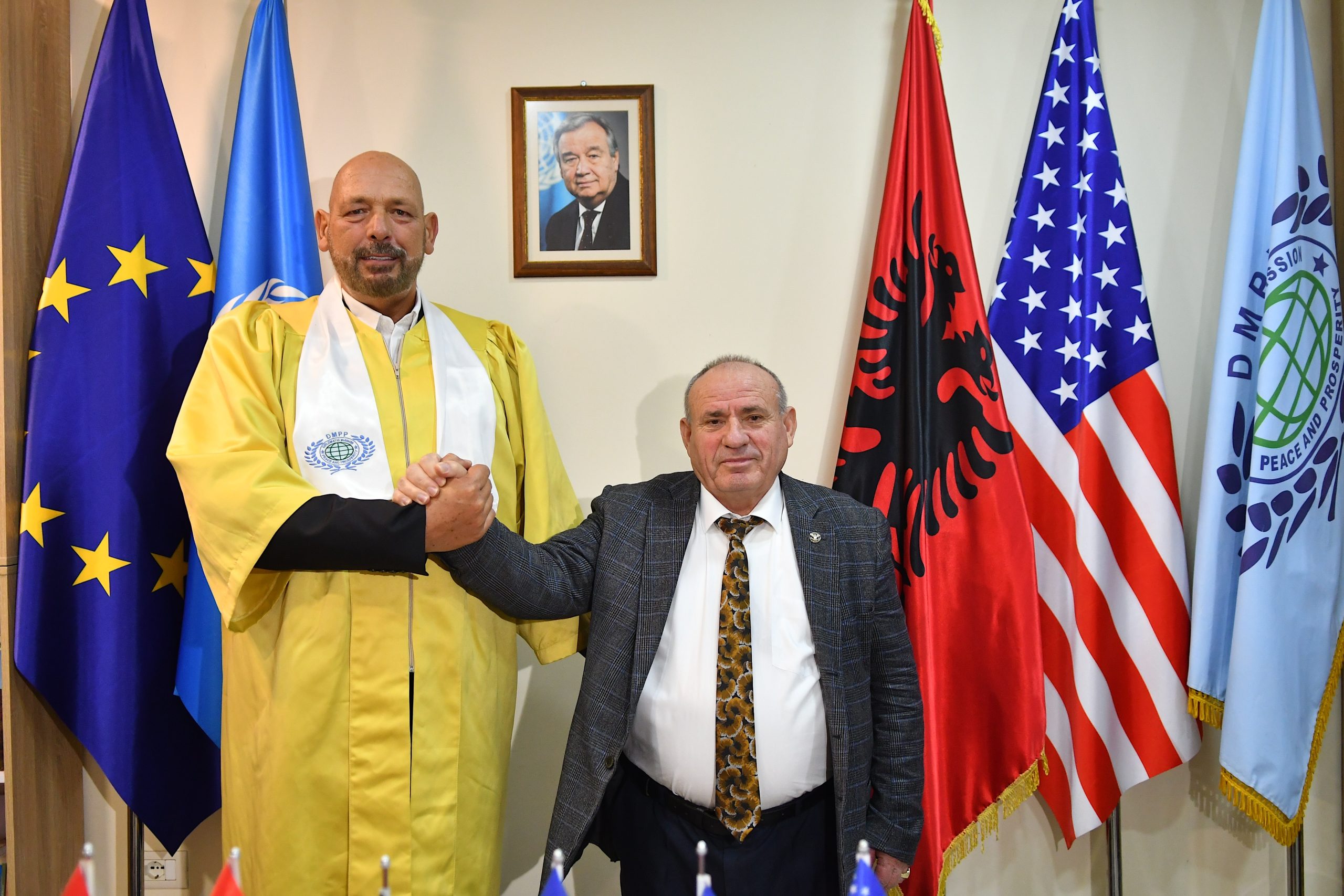
Bangkok/Podgorica/Istanbul – In a world increasingly defined by complex economic interdependencies, there is a growing need for actors who do not merely utilize diplomatic channels but act as pragmatic bridge-builders. Under the leadership of its dedicated representatives, the Diplomatic Mission Peace and Prosperity (DMPP) has established itself as such a force. A major project currently underway underscores how international networking and decisive action can sustainably advance the economic development of entire nations.
From the Balkans to ASEAN: A Strategic Vision
The story behind this latest success begins in Southeast Europe. Uwe Zirbes, Lieutenant Governor of the DMPP, acted early to create new economic opportunities through modern approaches to maritime logistics. His goal: to bring the technological expertise and regulatory capabilities of renowned partners—such as Lydia Marine Tech Ltd and the VEGA Register (headquartered in Istanbul)—to the Balkan region. The vision was clear: to modernize ship registration and strengthen international maritime traffic under the flag of Montenegro.
However, while diplomatic processes in the Balkans often faced bureaucratic obstacles and hesitant decision-making, Zirbes demonstrated the determination for which he is known: he sought environments where dynamism and a will to progress converge. His focus shifted to Thailand.
Breakthrough in Bangkok: Cooperation as the Key to Success
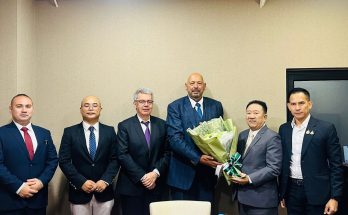
In Thailand, Zirbes found not only a long-time companion but also a decisive strategic partner in Dr. Dhammarut Khiaokaeo, High Commissioner for World Peace of the DMPP. Together, they are currently driving the final phase of DMPP ASIA, whose accreditation in Thailand marks a milestone for the organization’s presence in Southeast Asia.
Thanks to this network, they successfully opened the necessary doors at the Thai Marine Department. What followed was a precisely prepared mission: Zirbes invited a high-level delegation to Thailand to solidify the strategic partnership on the ground. Through successful mediation and the clarification of all regulatory frameworks, a project was initiated that sets new standards.
A Beacon Project for the Maritime Economy
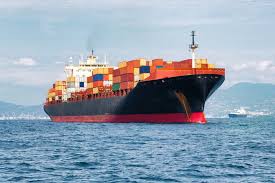
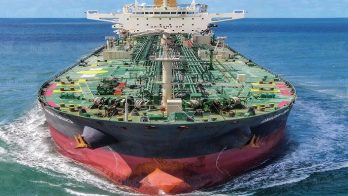
The results speak for themselves: over the next three years, a total of 3,000 merchant ships and tankers will be admitted to the Thai flag registry. For the Kingdom of Thailand, this means a significant strengthening of its maritime infrastructure and an estimated annual economic volume of approximately 90 to 150 million USD.
This project is more than just an administrative decision; it is an example of the DMPP’s core philosophy: “We build bridges.” By connecting international expertise, state institutions, and private sector partners, the DMPP transforms complex challenges into tangible economic opportunities.
The Mission Continues
This success in Bangkok is merely another chapter in the tireless work of Uwe Zirbes and his colleagues. Whether in Montenegro, in promoting maritime logistics, or in facilitating infrastructure projects worldwide, the DMPP remains true to its mission: to act as a catalyst for a stable and prosperous global economy—one that operates free of unnecessary bureaucracy and focuses on measurable progress for the countries involved.
For Thailand, this step signifies a strengthening of its position as a maritime hub in the ASEAN region—a success that would not have been possible in this form without the persistent commitment and international network of the DMPP.
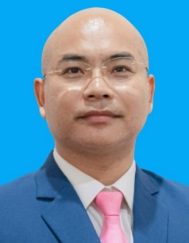
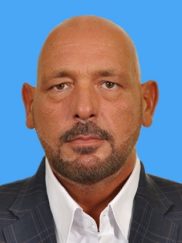
Dr. Dhammarut Khiaokaeo – Mr. Uwe Zirbes –
High Commissioner of DMPP Lieutenant Governor of DMPP